
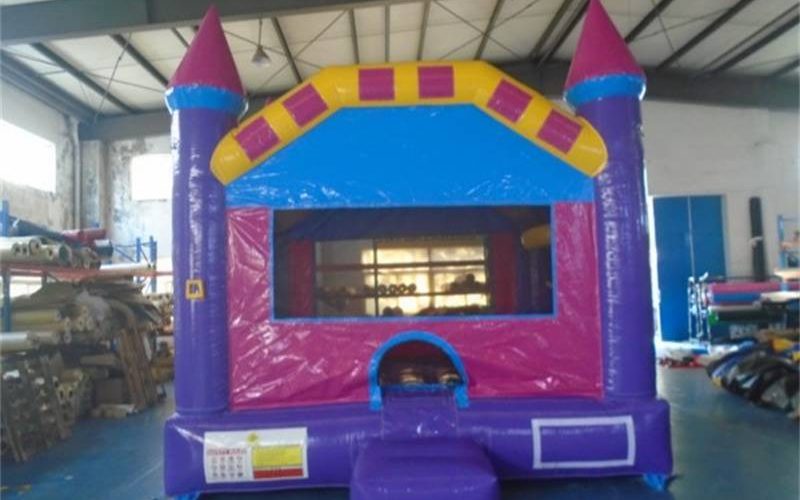
A commercial bouncy castle is designed to handle years of use, but its lifespan isn’t determined by age alone.
Two inflatables manufactured on the same day can look completely different just a few years later. One may still be in excellent condition, while the other already requires frequent repairs or even replacement.
The difference is rarely down to luck. In most cases, it’s the result of everyday handling, storage, and maintenance.
Understanding what causes damage—and how to prevent it—can help extend the life of your inflatable, reduce repair costs, and keep it performing reliably for years.
Damage Usually Happens Between Rentals
Many people assume a bouncy castle suffers the most wear while children are playing on it.
In reality, a large percentage of damage happens before the blower is switched on or after the inflatable has been packed away.
Dragging equipment across rough ground, folding it incorrectly, storing it while damp, or overlooking small repairs can gradually shorten its lifespan without anyone noticing.
Looking after an inflatable between rentals is often just as important as supervising it during an event.
Rough Handling Causes More Wear Than Normal Use
Commercial inflatables are designed for repeated inflation and heavy use.
What they’re not designed for is unnecessary friction.
Dragging an inflatable across concrete, gravel, or rough asphalt slowly wears away the PVC surface and places extra stress on corners, seams, and anchor points.
Whenever possible, lift, carry, or roll the inflatable carefully instead of pulling it across the ground.
Small Problems Rarely Stay Small
A loose stitch or a tiny tear may seem harmless after a busy weekend.
However, because commercial inflatables remain under constant air pressure during operation, even minor damage can spread surprisingly quickly.
Regular inspections allow small issues to be repaired before they become expensive structural repairs.
Preventive maintenance almost always costs less than emergency repairs.
Moisture Is One of the Biggest Enemies
Packing away a damp inflatable is one of the quickest ways to reduce its lifespan.
Trapped moisture encourages mould, mildew, unpleasant odours, and can gradually affect both the material and stitching.
If an inflatable becomes wet during use, allow it to dry completely before folding and storing it.
A few extra hours of drying can prevent weeks of unnecessary repair work later.
Dirt Causes More Damage Than Many People Realise
Sand, small stones, leaves, and other debris don’t simply make an inflatable look untidy.
As children jump and move around, these particles rub against the PVC surface repeatedly, gradually increasing wear over time.
Cleaning an inflatable after every rental isn’t only about appearance—it’s also an important part of protecting the material.
Storage Conditions Matter Every Day
An inflatable doesn’t stop ageing when it’s packed away.
Poor ventilation, excessive heat, prolonged sunlight, or damp storage areas continue affecting the material even when the inflatable isn’t being used.
A clean, dry, well-ventilated storage space helps preserve both the PVC and the stitching, reducing unnecessary deterioration between events.
Good Habits Add Years to an Inflatable
There’s rarely one single reason why a commercial bouncy castle wears out early.
Instead, its condition reflects hundreds of small decisions made over its lifetime.
Simple habits such as handling the inflatable carefully, repairing minor damage promptly, cleaning it after every event, and storing it correctly all contribute to a longer service life.
Over several years, those small habits often make a far bigger difference than many owners expect.
Looking After Your Equipment Protects Your Investment
Whether you operate a rental business, manage equipment for a school, or organise community events, keeping a bouncy castle in excellent condition is about more than reducing repair bills.
Well-maintained inflatables are more reliable, present a better image to customers, and spend more time in service instead of waiting for repairs.
Treating maintenance as part of normal day-to-day operations—not something that’s only done when problems appear—is one of the most effective ways to maximise the value of your investment.